
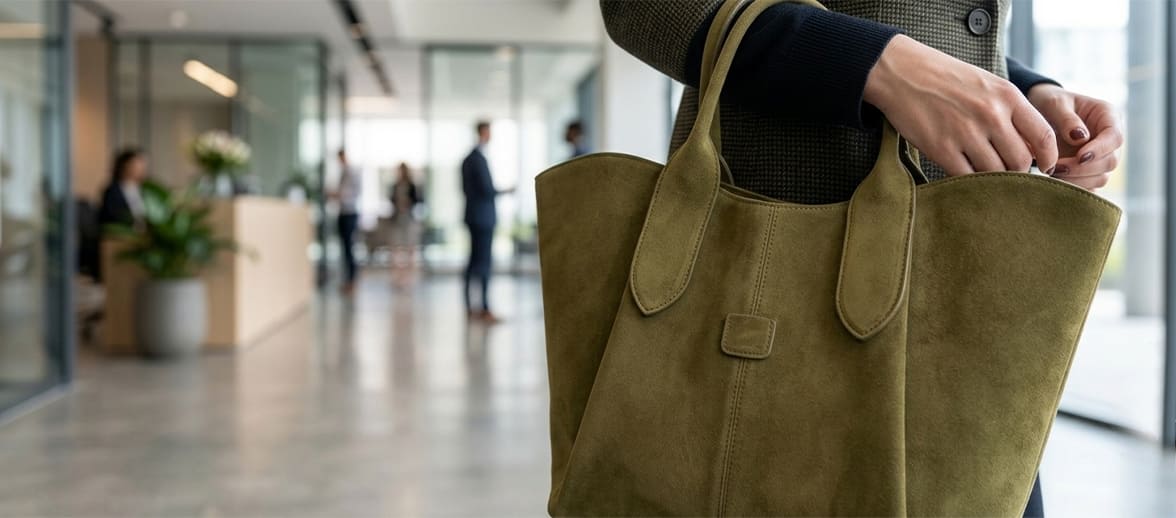
A handbag is not just an accessory, it’s much more than that. Handbags serve as a practical companion, which appropriately supports daily routines, work schedules, social activities, and personal organization as well.
While fashion trends often influence purchasing decisions, everyday carry habits play an equally important role in determining which handbag feels highly suitable.
The items people carry each day can reveal a great deal about their lifestyle and priorities. Whether someone regularly carries a laptop, a water bottle, cosmetics, notebooks, or just a few essentials, these habits often guide their handbag preferences more than they realize.
Understanding the connection between daily carry routines and handbag selection can help shoppers choose bags that fit their needs while complementing their personal style. Let’s explore how everyday habits influence handbag preferences and why functionality remains a key factor in handbag choices.
The Relationship Between Lifestyle and Handbag Selection
Every person's day looks different. Some spend a majority of their time in professional environments, while others balance family responsibilities, travel, fitness activities, or social engagements.
These daily routines directly affect what individuals need to carry with them. As a result, handbag preferences often develop around practical requirements.
For example:
- Office professionals may prefer structured tote bags with room for laptops and documents.
- Students often choose spacious bags with multiple compartments.
- Frequent travelers may favor crossbody bags that allow hands-free movement.
- Parents often select larger handbags capable of carrying both personal items and family necessities.
The more specific a person’s daily routine becomes, the more targeted their handbag preferences tend to be.
Minimalists Often Prefer Compact Handbags
Some individuals intentionally limit what they carry throughout the day. Their essentials may include only a phone, wallet, keys, and a few personal items.
For these users, compact handbags offer several advantages:
- Lightweight design
- Easy portability
- Reduced clutter
- Streamlined appearance
Crossbody bags, mini handbags, and small shoulder bags are frequently favored by those who value simplicity and convenience.
A smaller handbag also encourages better organization because limited space naturally discourages carrying unnecessary items. Many minimalist shoppers prioritize clean designs and practical layouts over excessive storage capacity.
Professionals Frequently Need Larger Storage Solutions
Work-related responsibilities often require carrying more than basic essentials.
Professionals may need space for:
- Laptops
- Tablets
- Chargers
- Notebooks
- Business cards
- Water bottles
- Personal items
As a result, larger handbags become attractive options. Tote bags remain particularly popular because they combine functionality with a polished appearance suitable for many professional settings.
Many professionals also look for features such as:
- Padded compartments
- Protected closures
- Interior organization pockets
- Durable materials
When a handbag supports workplace needs efficiently, it becomes an essential part of a daily routine rather than simply a fashion accessory.
Organization Habits Influence Interior Preferences
No two people organize their belongings in the same way. While some prefer having dedicated spaces for every item, others are comfortable with a more open interior layout. People who value organization often seek handbags with:
- Multiple compartments
- Interior zip pockets
- Card slots
- Key holders
- Dedicated technology storage
With such features, you can easily reduce the time you spend on searching for items throughout an entire day. Contrarily, individuals who prefer flexibility may choose bags with larger open compartments. Such bags will allow them to arrange belongings like they want to.
A personal habit is highlighted by this difference, which impacts handbag selection by a significant level.
Commuters Often Prioritize Comfort and Accessibility
You will face unique challenges, if you’re commuting daily. No matter if you’re traveling by train, bus, bicycle, or foot, commuters frequently seek handbags which support both mobility and convenience. Some important features here often include the following:
- Comfortable straps
- Lightweight construction
- Protected closures
- Easy-access pockets
- Durable materials
Among commuters, crossbody bags are particularly popular, as they distribute weight evenly, while allowing easy access to frequently used items. Immense popularity of backpack-style handbags has also been noted, especially among individuals who carry heavier loads and prioritize comfort during longer journeys.
Travel Habits Shape Handbag Preferences
Different handbag requirements develop in the case of frequent travelers. This is not noted in the case of individuals who spend majority of their time close to their homes. Travel-friendly handbags generally emphasize on the following:
- Security
- Organization
- Versatility
- Lightweight construction
Travelers tend to prefer handbags with:
- Hidden pockets
- Zipper closures
- Adjustable straps
- Multiple compartments
- Easy-to-clean materials
Many travelers also seek designs that transition seamlessly between airports, sightseeing activities, business meetings, and evening outings.
The ability to adapt to multiple situations makes versatility a major consideration for travel-oriented shoppers.
Technology Has Changed What People Carry`
Modern lifestyles increasingly revolve around technology.
Years ago, handbags primarily held wallets, keys, and personal items. Today, many individuals regularly carry:
- Smartphones
- Tablets
- Portable chargers
- Earbuds
- Smart accessories
- Charging cables
These additions have altered handbag preferences significantly.
Many shoppers now look for designs that provide:
- Device protection
- Cable organization
- Dedicated technology compartments
- Extra storage capacity
The rise of remote work and digital lifestyles has further increased demand for handbags that can comfortably accommodate modern devices while maintaining an attractive appearance.
Active Lifestyles Require Flexible Designs
People with active schedules often move between multiple activities throughout the day.
A typical day might include:
- Work
- Fitness sessions
- Shopping
- Social gatherings
- Family responsibilities
In these situations, handbag versatility becomes especially important.
Flexible designs allow users to transition smoothly between different environments without needing multiple bags.
Convertible handbags, adjustable strap designs, and medium-sized totes often appeal to individuals with dynamic lifestyles because they offer both practicality and style.
The ability to adapt to changing daily needs can greatly influence purchasing decisions.
Fashion Preferences Still Play an Important Role
While practicality is important, appearance remains a major factor in handbag selection.
A majority of the shoppers seek handbags that reflect their personal style while meeting everyday requirements.
For some, classic and timeless designs offer long-term versatility. Others prefer bold colors, unique textures, or trend-inspired silhouettes.
The successful handbag choices often balance both factors:
- Functional storage
- Comfortable carrying experience
- Personal style expression
Rather than choosing between fashion and practicality, many shoppers look for handbags that successfully combine both elements.
Sustainability Is Influencing Everyday Choices
Consumer awareness regarding sustainability has grown considerably in recent years.
Many shoppers now evaluate handbags based on durability and long-term usability rather than short-term trends.
Individuals who carry their handbags daily often appreciate products that offer:
- Quality craftsmanship
- Durable materials
- Timeless designs
- Long-lasting functionality
A handbag that continues serving daily needs over time often provides greater satisfaction than one chosen solely for seasonal appeal.
As a result, buying habits increasingly focus on longevity and practical value.
Finding the Right Handbag Starts with Understanding Your Routine
One of the highly effective ways to choose a handbag is to evaluate what you carry every day.
Consider questions such as:
- What items do I use frequently?
- How much storage do I actually need?
- Do I commute regularly?
- Do I carry technology devices?
- How important is organization?
- Do I need hands-free convenience?
Answering these questions can help narrow down handbag options and result in a more satisfying purchase.
Instead of focusing exclusively on trends, shoppers who understand their daily habits often make choices that remain useful long after purchase.
How Handbag Preferences Evolve as Life Changes
Handbag preferences are rarely permanent. As lifestyles evolve, so do the items people carry and the features they prioritize in a handbag. A bag that ideally suits someone during one stage of life may no longer meet their needs a few years later.
For example, a student may initially prefer a roomy handbag capable of carrying books, stationery, and electronic devices. As they transition into a professional career, they may begin seeking a more structured design that complements workplace attire while accommodating work-related essentials. Similarly, individuals who start traveling more frequently or take on new personal responsibilities often find themselves looking for handbags with different storage capacities, security features, or carrying options.
This evolution highlights the importance of choosing handbags that align with current needs rather than solely focusing on trends. Many consumers also develop a greater appreciation for versatility, selecting handbags that can adapt to changing routines and multiple occasions. By recognizing how lifestyle changes influence everyday carry habits, shoppers can make more thoughtful purchasing decisions and purchase handbags that remain practical and relevant over time.
Conclusion
Everyday carry habits have a significant influence on handbag preferences. The items people carry, the environments they navigate, and the routines they follow all contribute to determining which handbag styles feel highly practical and appealing.
From minimalist crossbody bags to spacious totes designed for professional use, handbag preferences often reflect lifestyle needs just as much as personal taste. Factors such as organization, commuting, travel, technology use, and activity levels all shape purchasing decisions in meaningful ways.
By understanding how daily routines affect handbag requirements, shoppers can make more informed choices that balance functionality, comfort, and style. Ultimately, the ideal handbag is not simply the one that looks attractive, it is the one that seamlessly supports everyday life while expressing individual personality.